Ikon Pass Discount
I’m no math surgeon, but I know savings when I see it! NAASF has negotiated a group discount for the Ikon Pass. We’ve had this before but this year, our …
The Southwest Airlines Ski and Snowboard Club is a club for people who enjoy skiing, snowboarding, or any other winter or summer activity.
Membership in the Southwest Airlines Ski and Snowboard Club is for Southwest Airlines employees, their families and friends and is not affiliated with Southwest Airlines Co.
No prior skiing or snowboarding experience is required. It is a great environment to learn how to ski or snowboard and have tons of fun with your friends and other fellow employees at the same time. Anyone who wants to join is more than welcome. Annual membership is $25 per person ($27 using PayPal).





Select Title for more Info

I’m no math surgeon, but I know savings when I see it! NAASF has negotiated a group discount for the Ikon Pass. We’ve had this before but this year, our …

Winter Park, CO. February 10, 10:25pm… I think that was about the time and place we peaked during our final NAASF Ski Week of the season. Well after our wonderful …
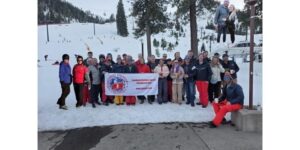
We’re just days away from the start of our next NAASF Ski Week in Winter Park, CO. I don’t know of the last time a NAASF event was held in …
North American Airlines Ski Federation (NAASF) is an organization comprised of Teams or Clubs from virtually all of the airlines in North America.
Skiing, Boarding, and Fun for ALL American Airlines employees.
Our club is open to all active and retired Delta, Northwest, and DGS employees and provides several opportunities each year for you to take advantage of up to 50% discounts on lodging and lift tickets. There simply is NO less-expensive way to enjoy a week of skiing with family and friends!
The FedEx Ski Club is open to all employee, both active and retired, of the FedEx family of companies worldwide. Including the newest family member TNT. Our passion is skiing or riding.
Skiing, Boarding and Friendly Competition for SkyWest Airlines Employees (and Guests!)
My vision for the club is to grow our membership and to continue to be inclusive of everyone at United Airlines.
We are employees, retirees, contractors, friends, and family of Southwest Airlines. While we are not endorsed by, sponsored by, or affiliated with Southwest Airlines Inc., we proudly represent our beloved airline during our ski weeks.
Southwest Airlines employees, retirees, contractors, friends, and family are all welcome. No prior skiing or snowboarding experience is required. Our club is a great place to learn or improve your skills while having fun with coworkers and friends.
Your $25 annual membership fee covers:
Yes! The Southwest Airlines Ski and Snowboard Club and NAASF have negotiated discounts on snow sports gear, apparel, skis, snowboards, boots, bags, and more. Just ask us for details.
Easy! Just fill out the membership form on our homepage and pay your $25 dues via PayPal, Venmo, or check.
We get together with other airline clubs several times a year during “Airline Ski Weeks.” It’s 90% camaraderie, 10% competition. While there are racing competitions, participation is totally optional. What we do best is enjoy the great outdoors with friends, coworkers, and family.
We typically have 5–7 ski weeks each season:
We also organize summer trips to South America for fresh powder!
Our ski weeks follow a typical schedule:
Racing is a tradition but not required. Many people try it once and get hooked—it’s exciting and fun! But if you’d rather just ski, socialize, and enjoy the mountain, that’s totally fine too.
The registration fee (typically $100 for NAASF weeks) covers:
Very little of the fee goes directly to racing—most covers the social events and logistics that make the week fun and memorable.
The North American Airlines Ski Federation (NAASF) was created in 1983 to provide financial assistance through scholarships, grants, and gifts to individuals and organizations involved in competitive skiing programs. NAASF operates under IRS 501(c)(3) status and has raised over $120,000 to benefit junior ski programs and individual charities.
NAASF awards typically support promising young racers at the JIII/JIV level who demonstrate superior academics, competitive spirit, community citizenship, and financial need. Awards are administered by local Ski Education Foundations, with approximately $2,000–$3,000 divided between two recipients each year.
The International Airlines Ski Federation (IASF) started in 1960 when skiers from Air France and Swissair were invited to ski carnival races at Alaska’s Arctic Valley near Anchorage. The races moved to Mt. Alyeska and remained there until 1975, then moved to Mt. Hood, Oregon in 1976.
Since then, the IASF has held events on three continents at many different resorts. The Federation became a non-profit corporation under Washington State law in 1977, with the purpose of fostering national and international amateur sports competition and developing the sport of skiing among airline employees worldwide.
We know learning a new sport can feel overwhelming. Use this simple checklist and tips to make your first mountain day smooth and fun.
Wearing layers keeps you comfortable as the weather changes. Start with a moisture-wicking base layer next to your skin, add a warm mid-layer, and finish with a wind- and waterproof outer layer. Avoid jeans and cotton—they get wet and cold quickly. One good pair of ski socks is better than multiple pairs.
Gloves or Mittens: Choose waterproof, insulated gloves or mittens. Even on warm days the snow can be very abrasive on bare skin.
Helmet: Modern helmets are light, warm, and comfortable. They offer added protection and you don’t need to worry about a separate hat.
Goggles & Sunglasses: Sun, wind, and snow are hard on your eyes, especially at higher altitudes. Bring both goggles and sunglasses—weather can change quickly in the mountains.
High elevation plus reflection from the snow means you can burn fast, even on cloudy days. Use a strong sunscreen and lip balm with SPF, and reapply during the day. Wind can also burn your skin, so cover exposed areas when it’s cold or windy.
Snow sports are for everyone, but it helps to work within your own fitness level. Take breaks, stay close to lodges and rest areas, and ski or ride with people of similar ability. As you progress, simple off-snow workouts can make your days on the mountain more enjoyable.
Cold weather can make muscles feel stiff. Take a few minutes to stretch and warm up before your first run. When you’re done for the day, keep moving until you get indoors and out of the cold so your muscles don’t tighten too quickly.
Altitude, sun, and exercise all dehydrate you. Drink water throughout the day—coffee and soda don’t hydrate as well as water or juice. Eat a solid breakfast, bring a small snack for mid-morning, and enjoy a good dinner after skiing. Avoid alcohol while skiing or riding; it slows your reactions and dehydrates you.
Before driving to the mountains, make sure your vehicle is ready for winter conditions:
A lesson with a professional instructor is the best way to start. You’ll learn proper technique, how to use the lifts, and how to stay safe on the mountain. Even experienced skiers and riders benefit from a refresher at the start of the season.